SERVICE OVERVIEW // MOB_ENG_04

High-Performance
Mobile Engineering
for Global Scale

Native and cross-platform expertise built for speed, security, and seamless user experiences. We engineer architectures that survive scale.
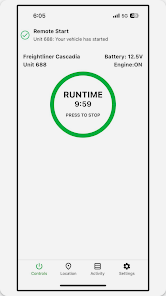
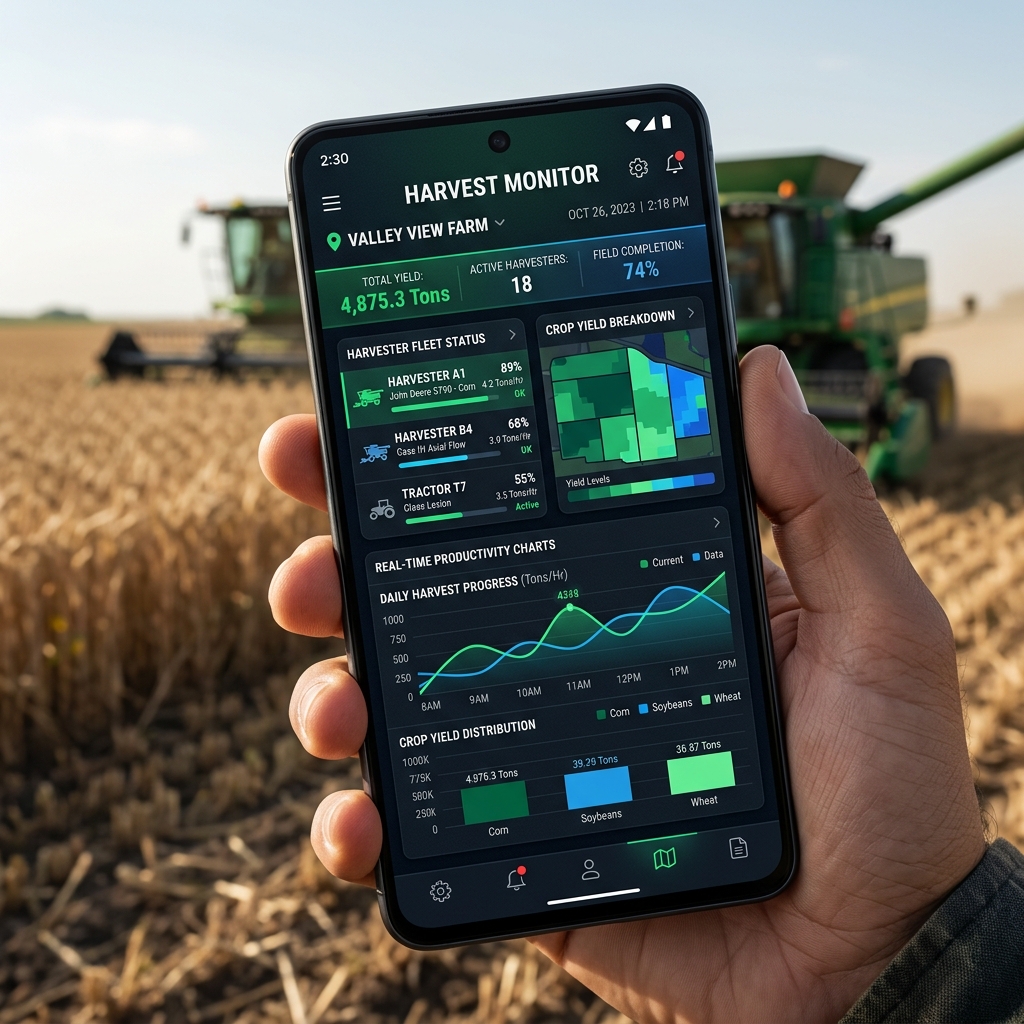
Mobile app engineering example

Technical Pillars

[ 01/04 ]
Swift

Native iOS

Swift-driven applications utilizing UIKit and SwiftUI for fluid, hardware-accelerated performance.

SWIFT / OBJECTIVE-C
[ 02/04 ]
Android

Native Android

Kotlin-first development leveraging Jetpack Compose for modern, reactive, and robust mobile systems.

KOTLIN / JAVA
[ 03/04 ]
Flutter

Flutter

High-performance cross-platform development with custom Skia rendering for 120fps visuals.

DART / SKIA
[ 04/04 ]
React Native

React Native

Unifying web logic with native performance through the JSI bridge and Hermes engine optimization.

JS / JAVASCRIPT

Architectural Rigor

Beyond UI components, we build the engine. Our focus remains on the invisible logic that defines product reliability.

01

High-performance architecture

Minimizing main-thread blocking and optimizing memory allocation for complex data processing.

02

Offline-first logic

Sophisticated local sync strategies using Realm or Room to ensure zero downtime in low connectivity.

03

Security-first development

Biometric integration, keychain encryption, and SSL pinning as standard architectural requirements.

Mobile architecture code
// Architecture layer
class MobileEngine {
  final SecurityLayer _security;
  final SyncEngine _offline;
  final PerformanceMonitor _perf;

  Future<void> initialize() async {
    await _security.bindBiometric();
    await _offline.startSync();
    _perf.attachProfiler();
  }
}
99.9%
Crash-Free Sessions
<150ms
Interactive Response

Engineering Process

01/DISCOVERY
Feasibility

Mapping hardware requirements and platform constraints.

02/ARCHITECTURE
Schematics

Defining state management and data flow blueprints.

03/DEVELOPMENT
Execution

Sprints focused on functional, velocity mid-product.

04/QA
Validation

Automated testing suites across real device farms.

05/DEPLOYMENT
Launch

Optimized App Store and Play Store orchestration.

06/SUPPORT
Iteration

Continuous monitoring and technical scaling.

Frequently Asked

Flutter vs Native — which should I choose?
Flutter is ideal for teams needing one codebase for both platforms with near-native performance. Native iOS/Android is chosen when platform-specific hardware access, animations at 120fps, or deep OS integrations (like CarPlay or HealthKit) are mission-critical. We advise after a technical discovery session.
Do you handle backend and mobile together?
Yes. Our engineering teams handle the full stack — Flutter/native app, Node.js or Go backend, cloud infrastructure, and database. One team, one architecture, zero integration overhead.
How long does a production-ready app take?
An MVP with core flows typically takes 8–14 weeks. A full-featured product with complex backend, payments, and real-time features ranges from 16–24 weeks. We provide a detailed timeline after the architecture phase.

Ready to Build Your
Mobile Product?

Connect with our principal architects to define your technical roadmap and estimation.

Consult Architect View Portfolio